
The national operating system behind Bail Buddy.
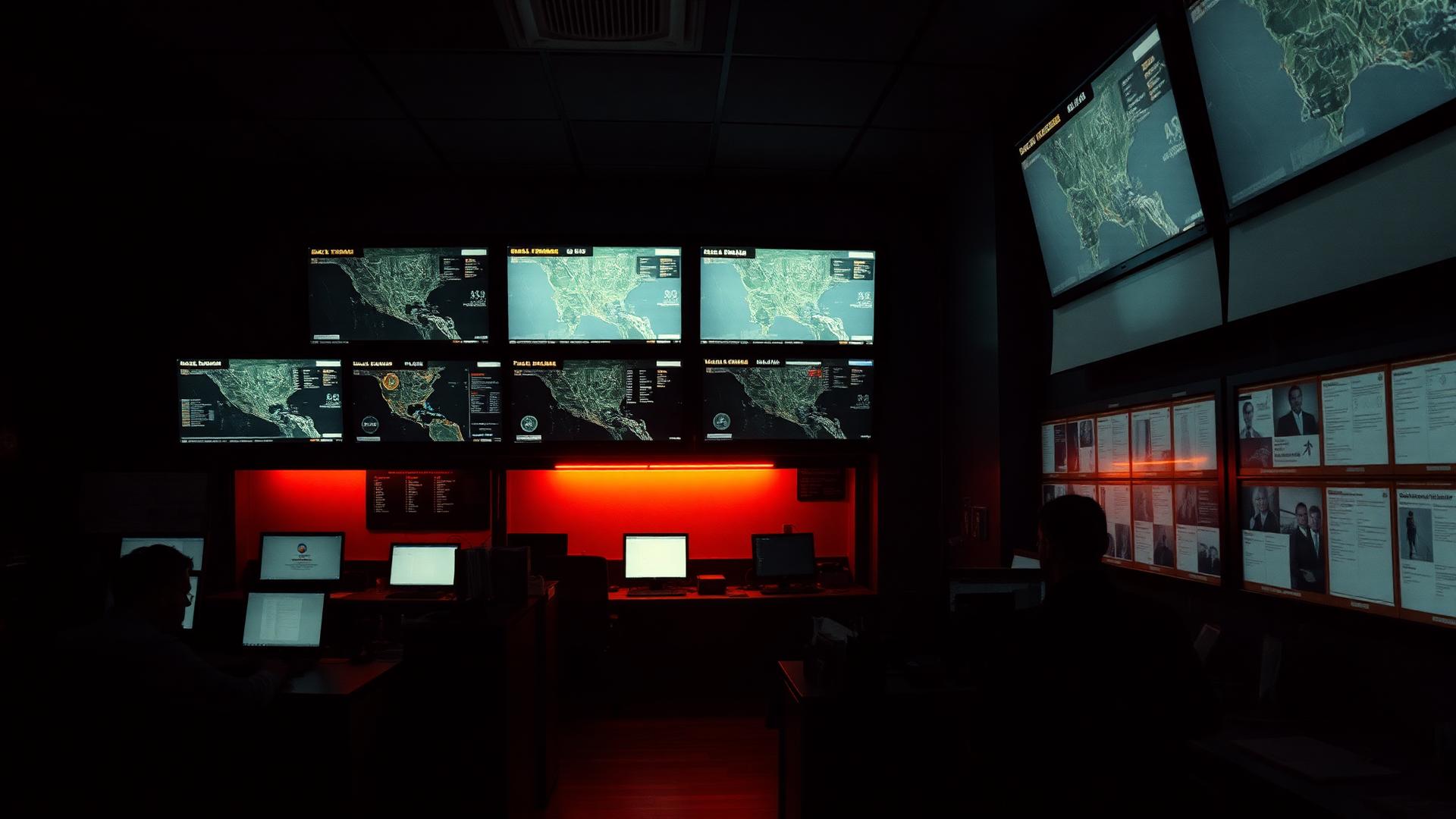
Bail Buddy captures the intake above the ground. The Hub Network is the below-ground infrastructure that receives, scores, routes, assigns, monitors, and reports every request — turning demand into completed, measurable bond transactions.
Who's on the hub
Four groups, one board.
The hub isn't one kind of operator. It's independents, houses, field crews, and regional affiliates — each seeing only the part of the job they own. Bail bondsmen sign up on The House; attorneys and notaries live on The Network.

Independent bondsmen
Solo licensed writers taking network calls in their own counties. One seat, one phone, the whole file.
Agencies & houses
Multi-agent shops running a dispatch board. Roster, POA inventory, payouts, and audit trail in one place.

Field & transport crews
The agents who actually roll — jail pickup, clerk runs, and the ride home, tracked leg by leg.

Regional affiliates
Referral partners covering counties the house can't reach yet. Attorneys and notaries live on The Network, not here.
The workflow
Drawn out like a machine, because it is one.
The back office
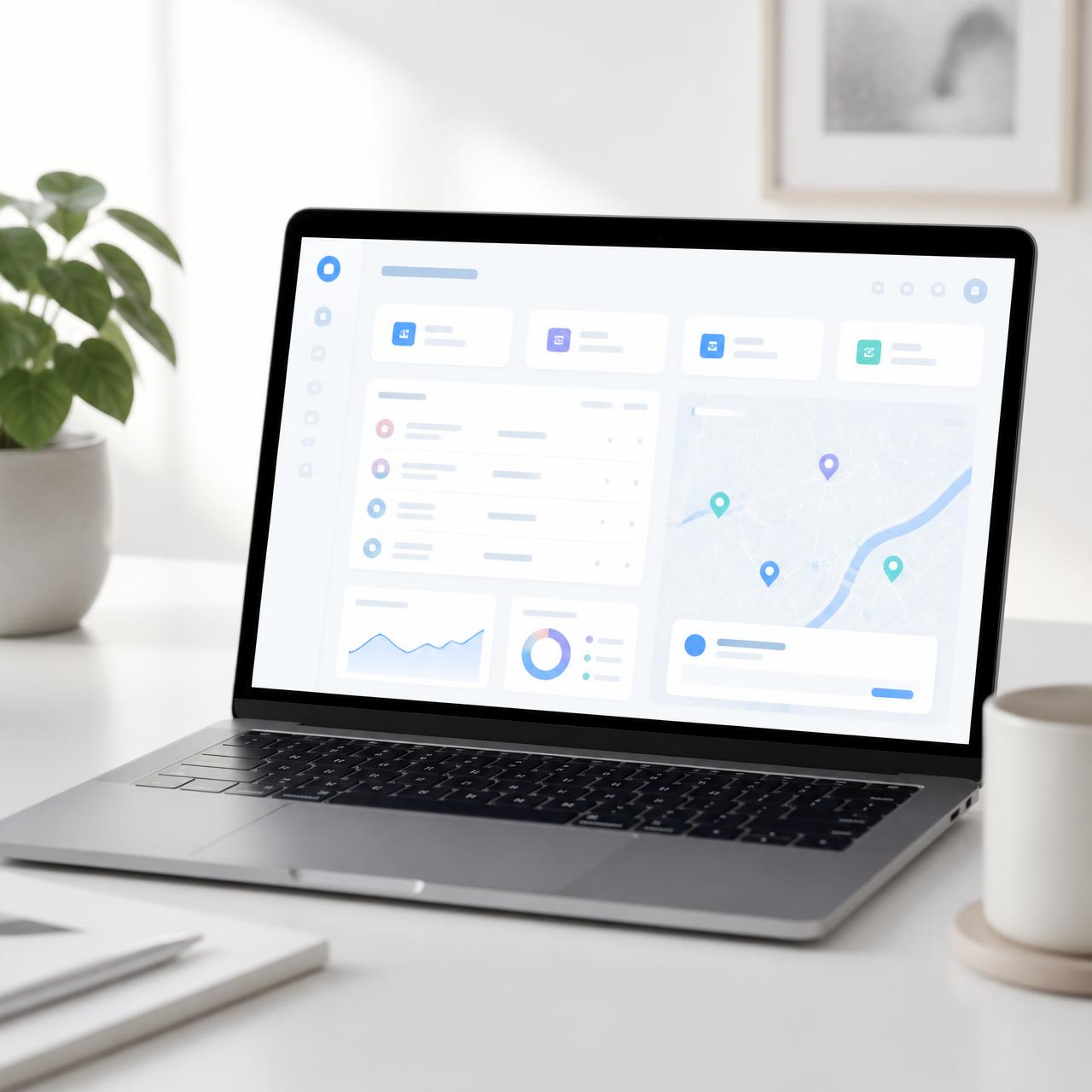
Cases first. Everything else one click deep.
This is the light version of the command center — the case queue, the case file, the live run, and the money. Compliance, ledgers, and network controls stay behind the login.
What's inside
Eight operating pillars.
Role-based command
Ten dashboards. One network.
Every user sees only what they own. A CEO watches the country. A regional director sees their region. A local bondsman sees the case in front of them. Server-side access rules, least privilege, revocable invitations, audited access.
Implementation
Six phases, one vertical workflow first.
Powered by
The agent layer — intake, defendant search, jurisdiction matching, routing scores, document drafting, reminders, and monitoring — deployed and supervised by human operators across the network.
See the command center live.
National KPIs, live request board, demand map, routing engine, partner scorecards, financial ledger, exception center, AI agent activity — the full input-to-output story.